FREE CHEATS FOR
Gridiron Grit
Released November 10, 2026
Updated

 EAGLE CHEATS
How to use Eagle in Gridiron Grit
With Gridiron Grit running, press Insert to open the Eagle menu. The quick keys give direct access to Scouting Reports and Draft Board. Use the menu for Contract Ledger, Salary Forecast and Depth Chart and the remaining listed features; close it with Insert to return to the app.
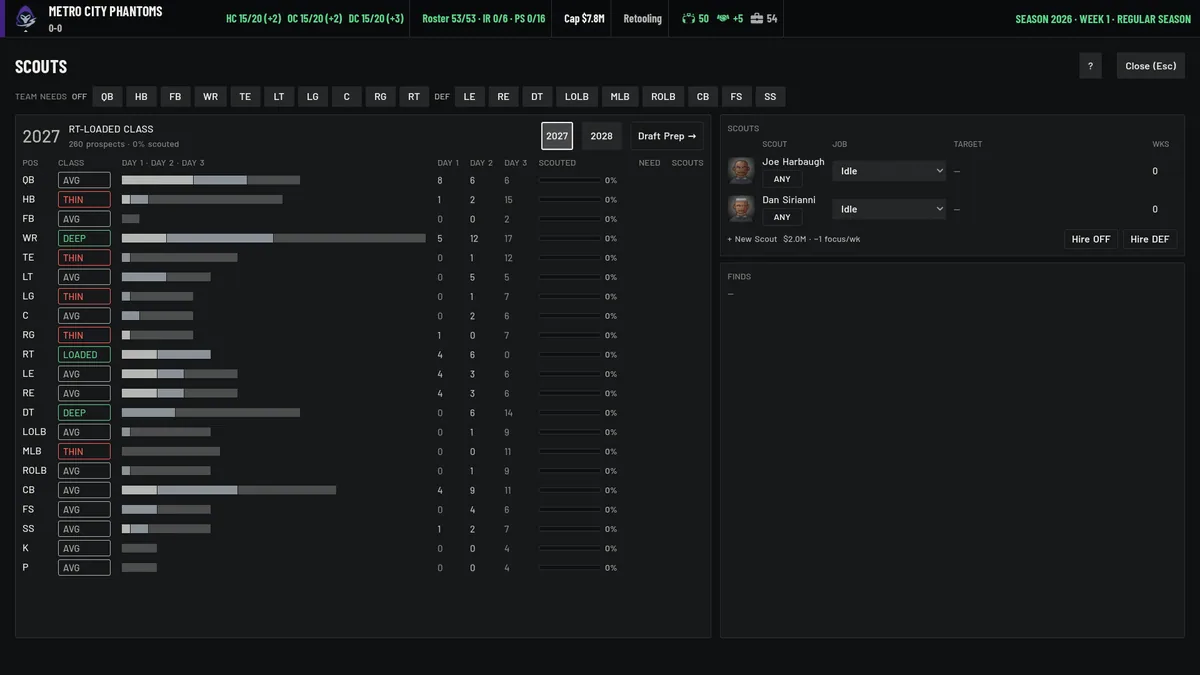
- F2 Scouting Reports
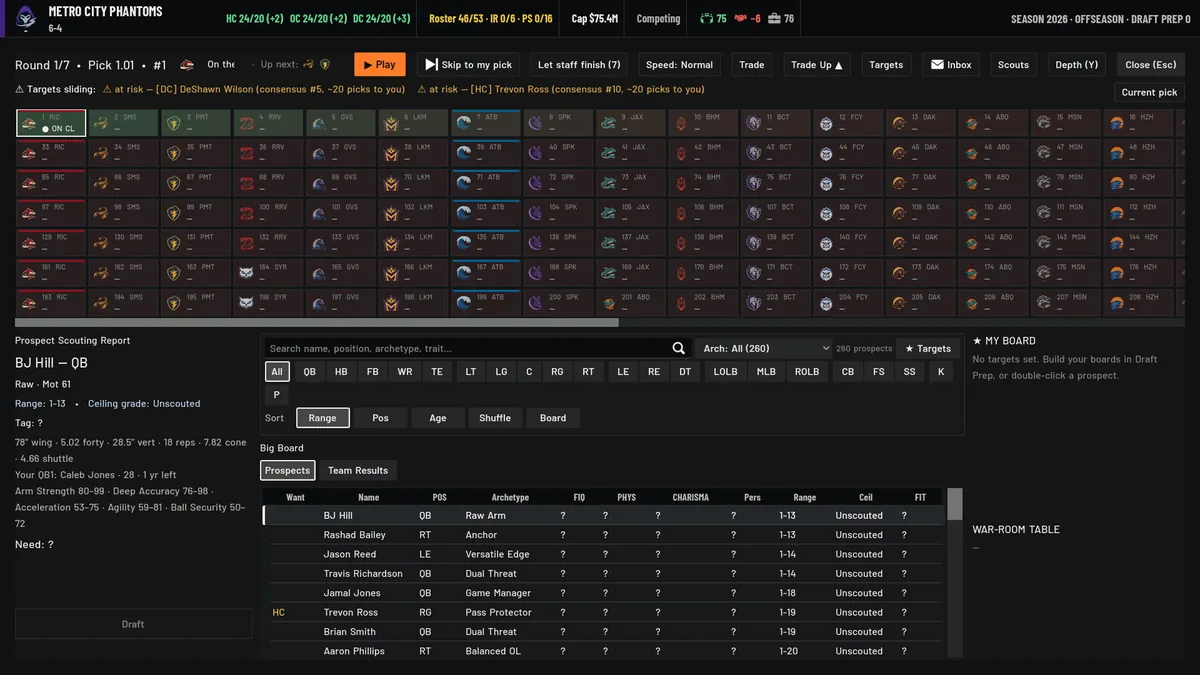
Press F2 to turn Scouting Reports on or off without opening the menu. - F3 Draft Board
Press F3 to turn Draft Board on or off without opening the menu. - Insert Contract Ledger
Press Insert, find Contract Ledger in the feature list, and switch it on or off. - Insert Salary Forecast
Press Insert, find Salary Forecast in the feature list, and switch it on or off. - Insert Depth Chart
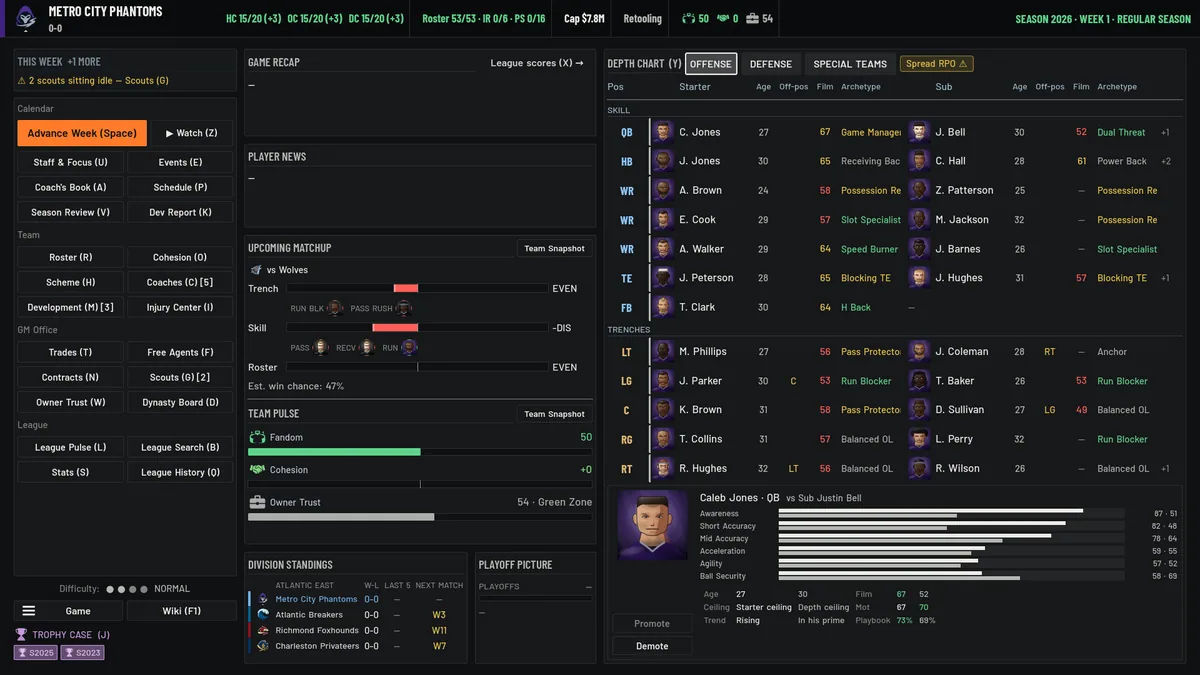
Press Insert, find Depth Chart in the feature list, and switch it on or off.
EXPLORE THE MENUFeatures
8 features
The Eagle trainer for Gridiron Grit brings scouting reports, draft board, contract ledger together for the Windows PC release. Press Insert during play to open the menu, choose a control and return to the current session. Additional controls cover salary forecast, depth chart, and development plan during play.
- Scouting Reports
- Draft Board
- Contract Ledger
- Salary Forecast
- Depth Chart
- Development Plan
- Rival GM Notes
- Season History
About the game
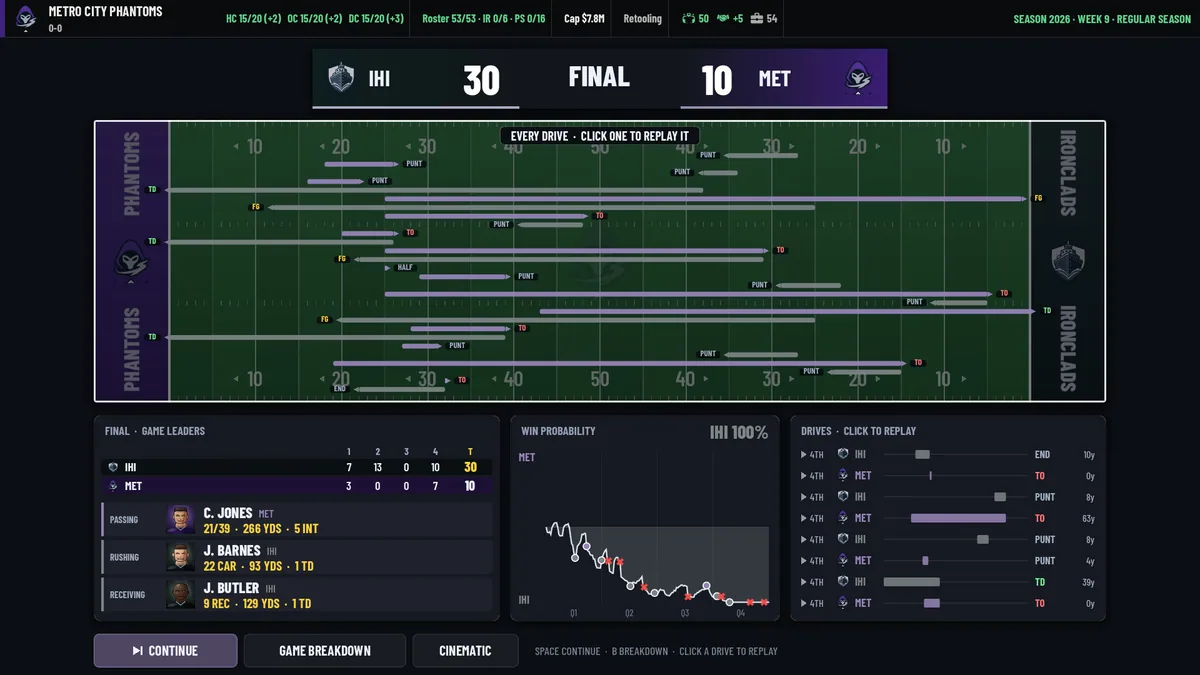
Gridiron Grit is a professional-football front-office simulation focused on scouting, contracts and player development rather than calling plays. Rival general managers can bargain or bluff, while financial commitments last beyond the current season. The best draft pick may take years to prove its value.
A prospect with uncertain scouting information is a different risk from a veteran with a large contract. The player must balance future salary space, roster needs and development time while opponents compete for the same talent. The long horizon makes one-season thinking costly.
Official game page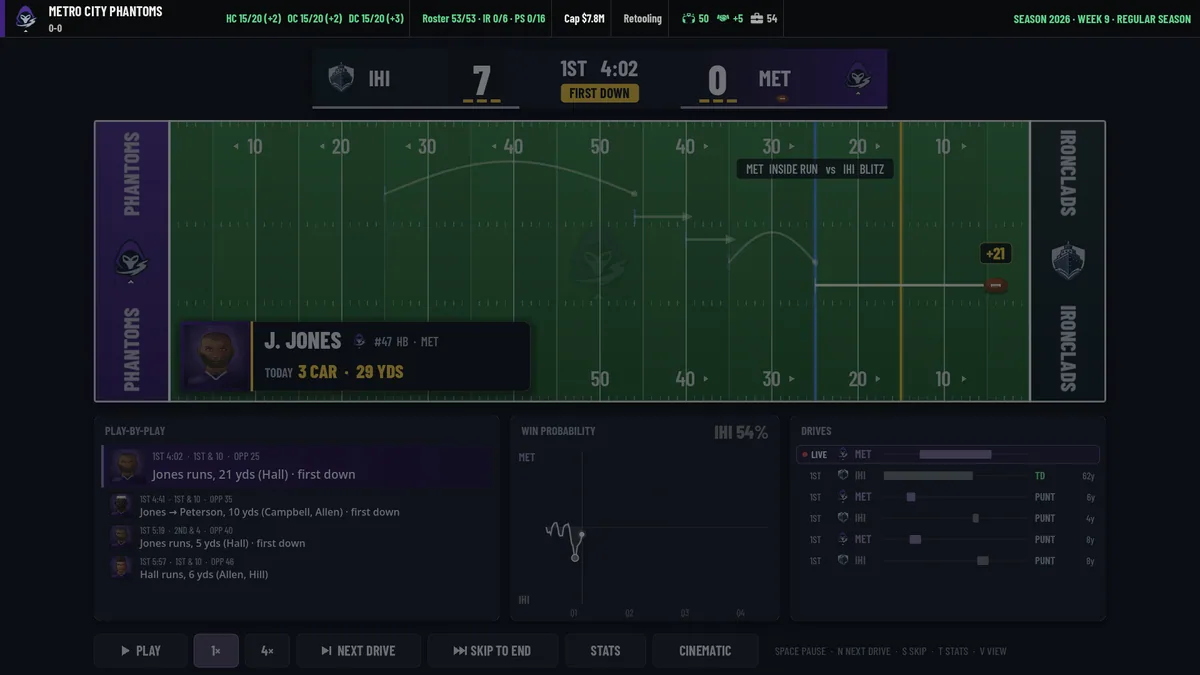
Using the Gridiron Grit trainer
The menu connects scouting reports, contract years and depth chart gaps. It helps compare a draft target with the current roster and project the budget after a proposed deal. Rival notes keep negotiation history visible when another general manager returns to the table.