FREE CHEATS FOR
NEH
Released November 14, 2026
Updated

 EAGLE CHEATS
How to use Eagle in NEH
With NEH running, press Insert to open the Eagle menu. The quick keys give direct access to Room Map and Route History. Use the menu for Team Markers, Exit Clues and Checkpoint View and the remaining listed features; close it with Insert to return to the app.
- F2 Room Map
Press F2 to turn Room Map on or off without opening the menu. - F3 Route History
Press F3 to turn Route History on or off without opening the menu. - Insert Team Markers
Press Insert, find Team Markers in the feature list, and switch it on or off. - Insert Exit Clues
Press Insert, find Exit Clues in the feature list, and switch it on or off. - Insert Checkpoint View
Press Insert, find Checkpoint View in the feature list, and switch it on or off.
EXPLORE THE MENUFeatures
8 features
The Eagle trainer for NEH brings room map, route history, team markers together for the Windows PC release. Press Insert during play to open the menu, choose a control and return to the current session. Additional controls cover exit clues, checkpoint view, and door log during play.
- Room Map
- Route History
- Team Markers
- Exit Clues
- Checkpoint View
- Door Log
- Area Notes
- Threat Alert
About the game
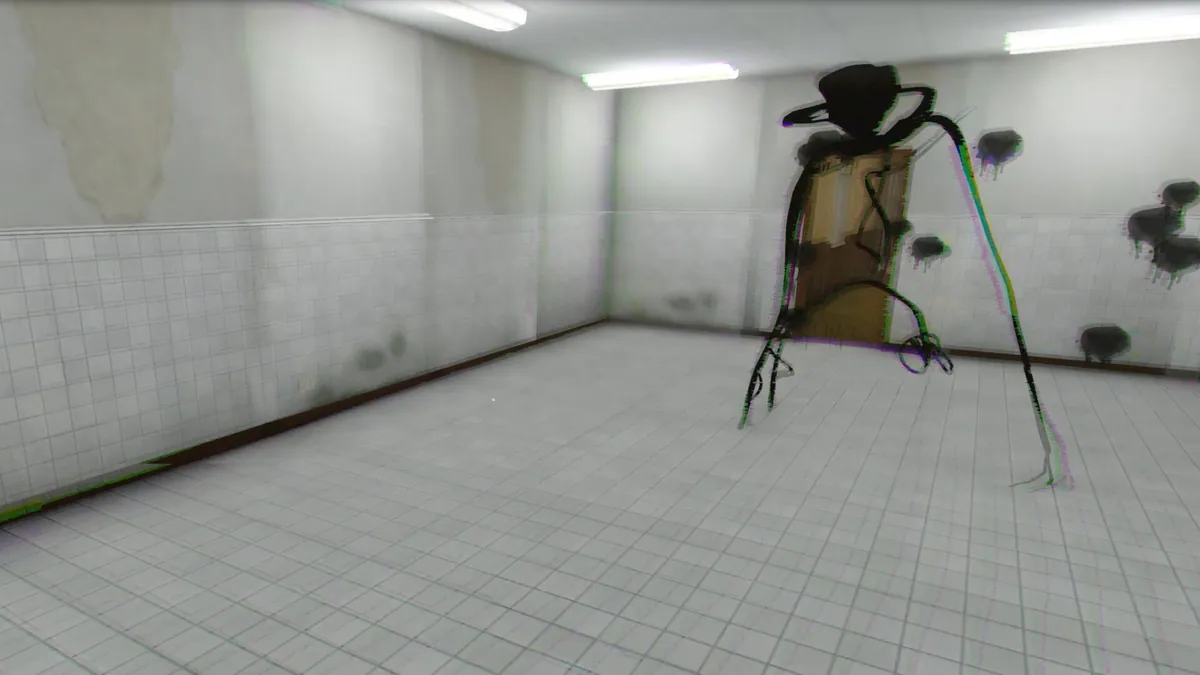
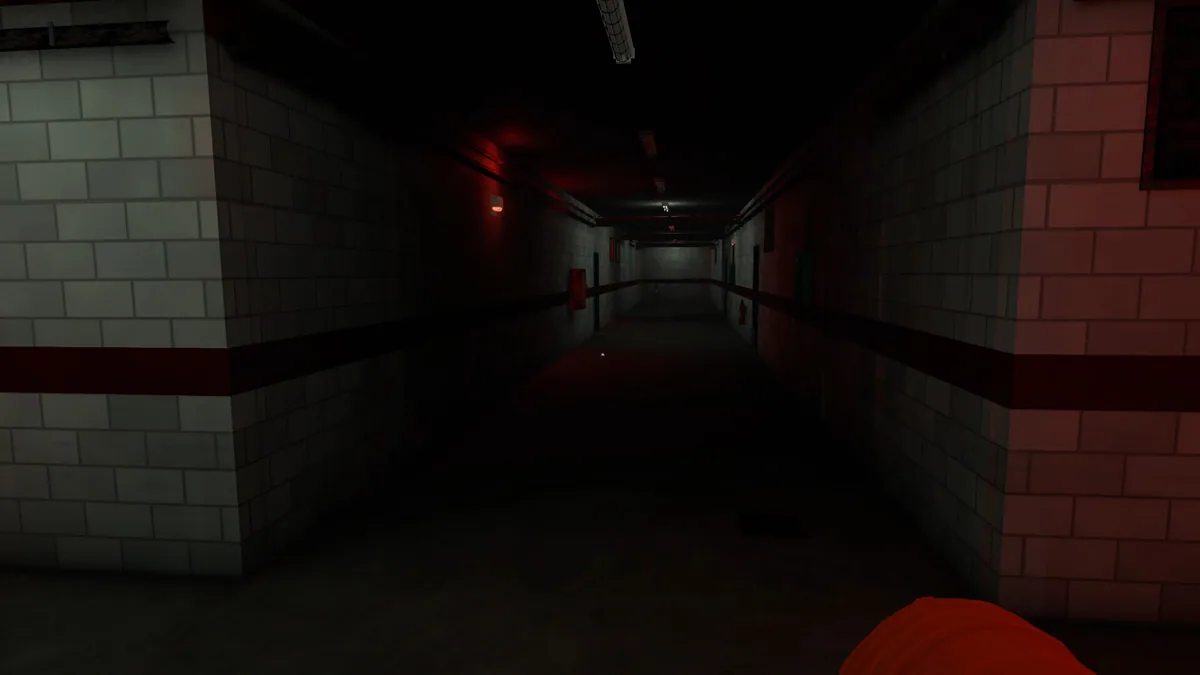
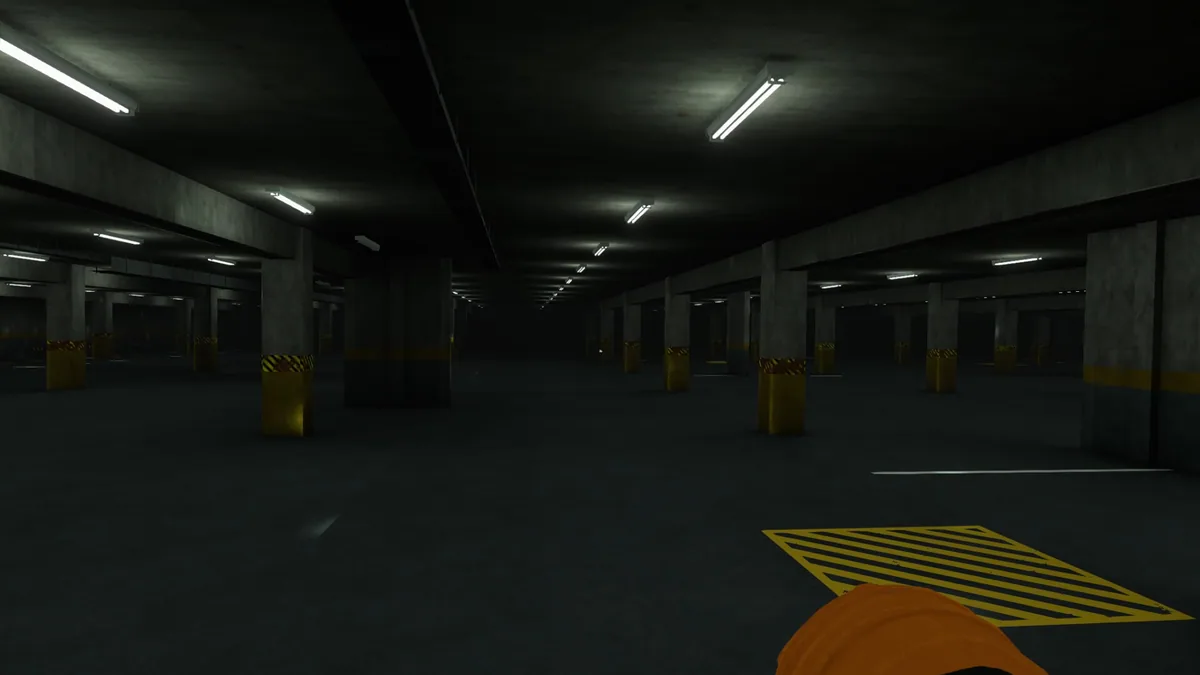
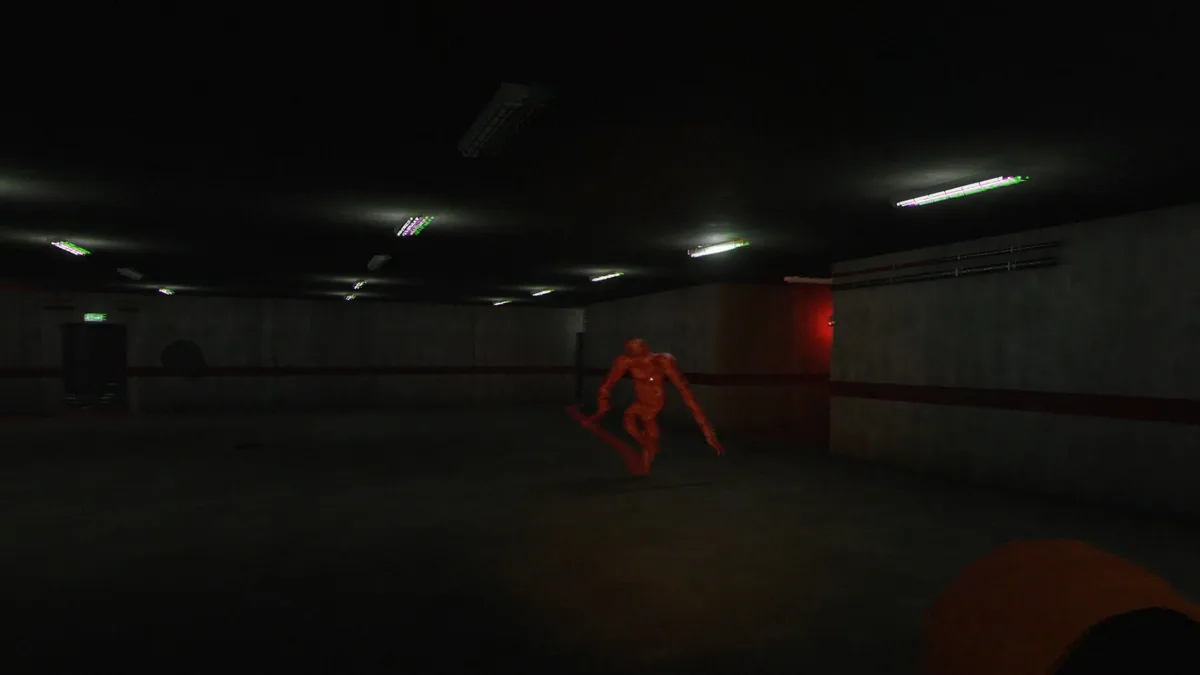
NEH is a cooperative liminal horror game with one plain goal: find the exit. Empty-looking spaces and uncertain routes make the task harder than the instruction suggests. Teammates must decide which rooms have been checked and which hallway actually leads somewhere new.
A repeated doorway can make progress feel circular, especially when the group separates to cover more ground. Recording small differences between spaces helps players make sense of the environment. The fear comes from navigating a place that refuses to provide the clear landmarks of an ordinary building.
Official game page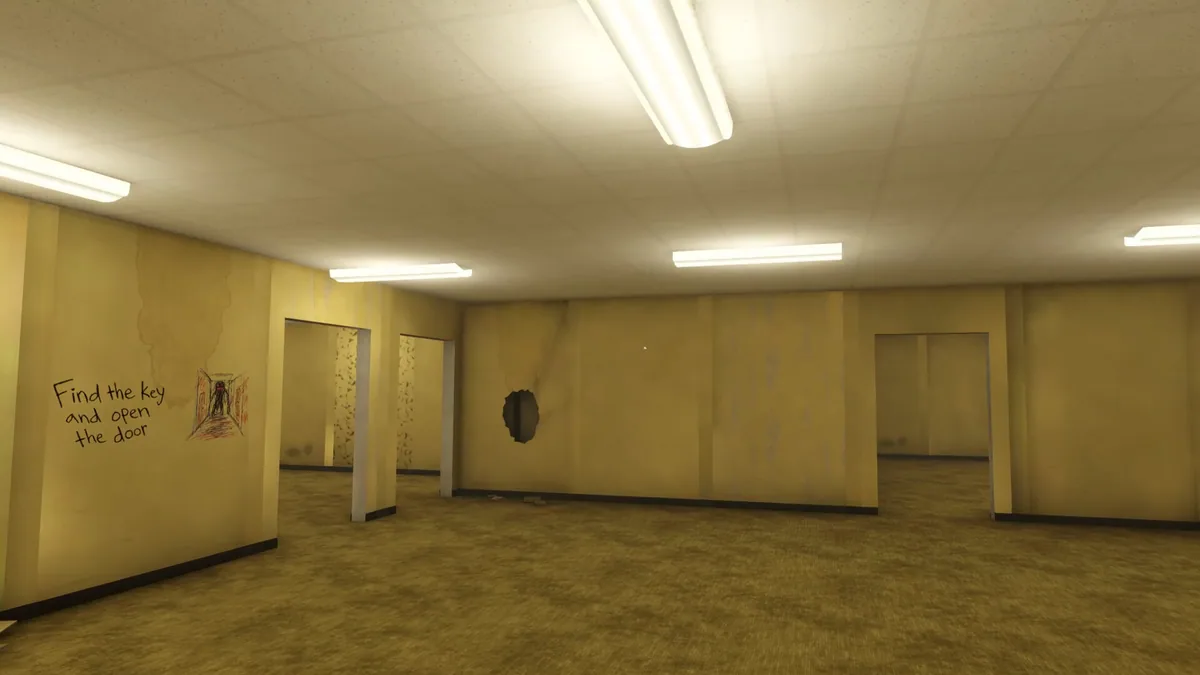
Using the NEH trainer
The Eagle menu shows explored rooms, teammate positions and the last known route. Use Insert at a junction to compare the current space with earlier observations. A shared checkpoint view helps the group regroup without claiming to solve the maze or remove its uncertainty.