FREE CHEATS FOR
Rusty Robot Wants to Cry
Released November 17, 2026
Updated

 EAGLE CHEATS
How to use Eagle in Rusty Robot Wants to Cry
With Rusty Robot Wants to Cry running, press Insert to open the Eagle menu. The quick keys give direct access to Arcade Mode and Stage Goals. Use the menu for Rule Changes, Level Progress and Robot Route and the remaining listed features; close it with Insert to return to the app.
- F2 Arcade Mode
Press F2 to turn Arcade Mode on or off without opening the menu. - F3 Stage Goals
Press F3 to turn Stage Goals on or off without opening the menu. - Insert Rule Changes
Press Insert, find Rule Changes in the feature list, and switch it on or off. - Insert Level Progress
Press Insert, find Level Progress in the feature list, and switch it on or off. - Insert Robot Route
Press Insert, find Robot Route in the feature list, and switch it on or off.
EXPLORE THE MENUFeatures
8 features
The Eagle trainer for Rusty Robot Wants to Cry brings arcade mode, stage goals, rule changes together for the Windows PC release. Press Insert during play to open the menu, choose a control and return to the current session. Additional controls cover robot route, hazard notes, and attempt history during play.
- Arcade Mode
- Stage Goals
- Rule Changes
- Robot Route
- Hazard Notes
- Attempt History
- Score Record
- Level Progress
About the game
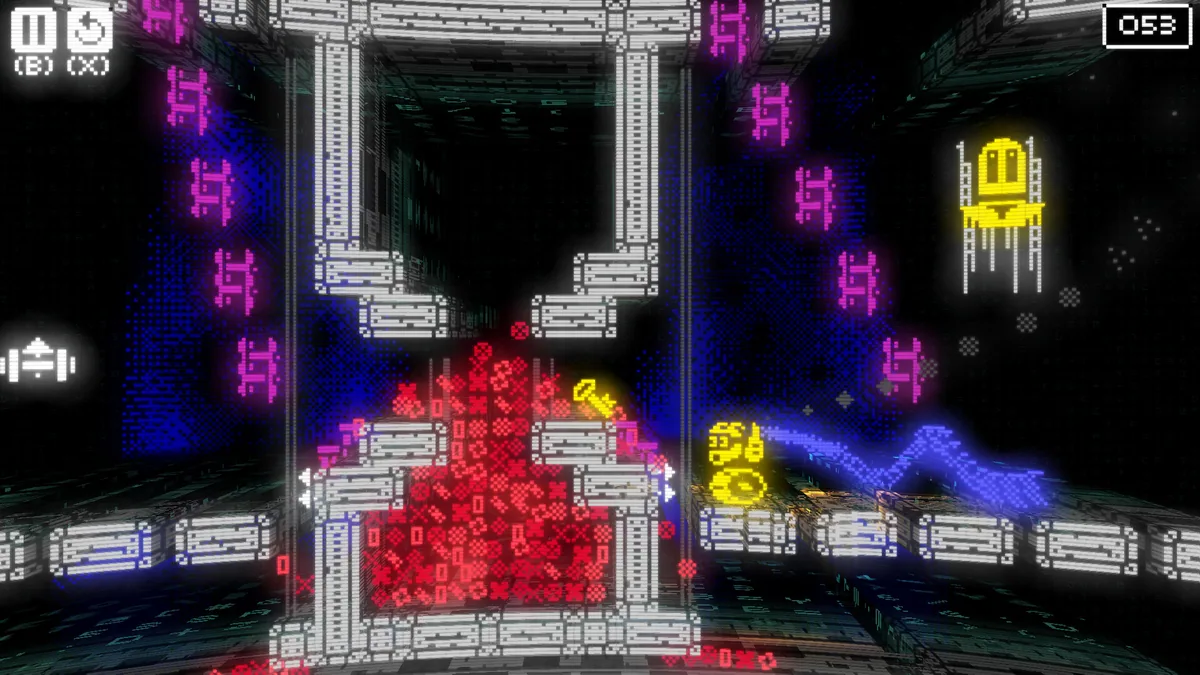
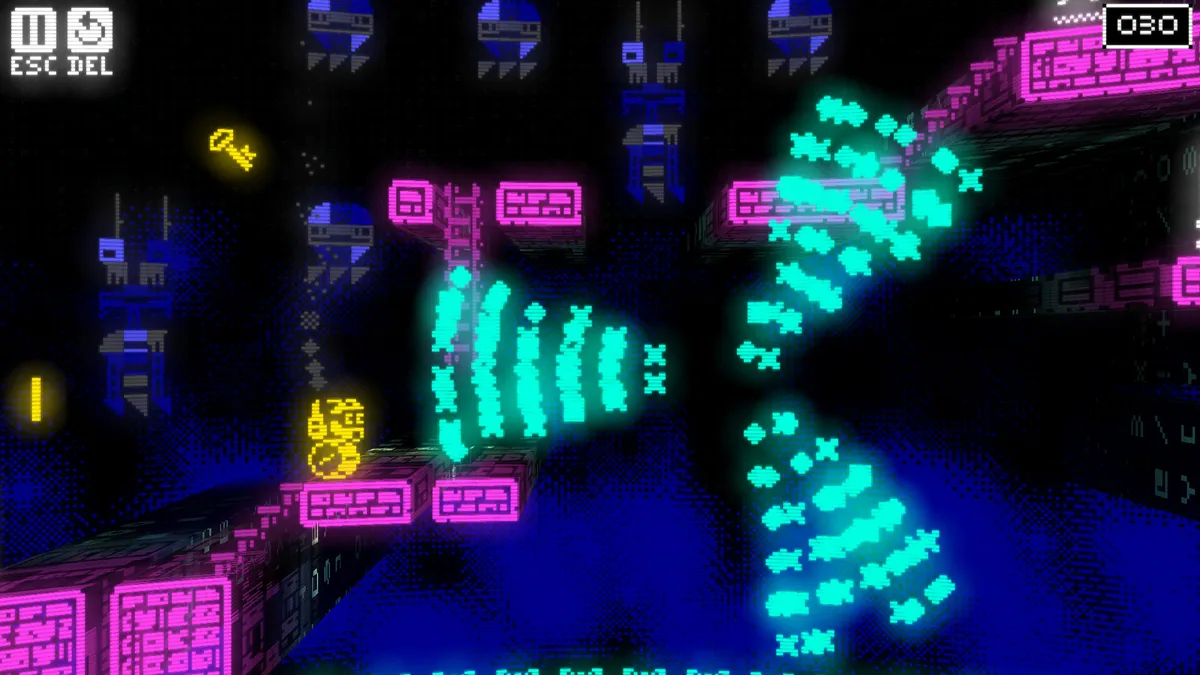
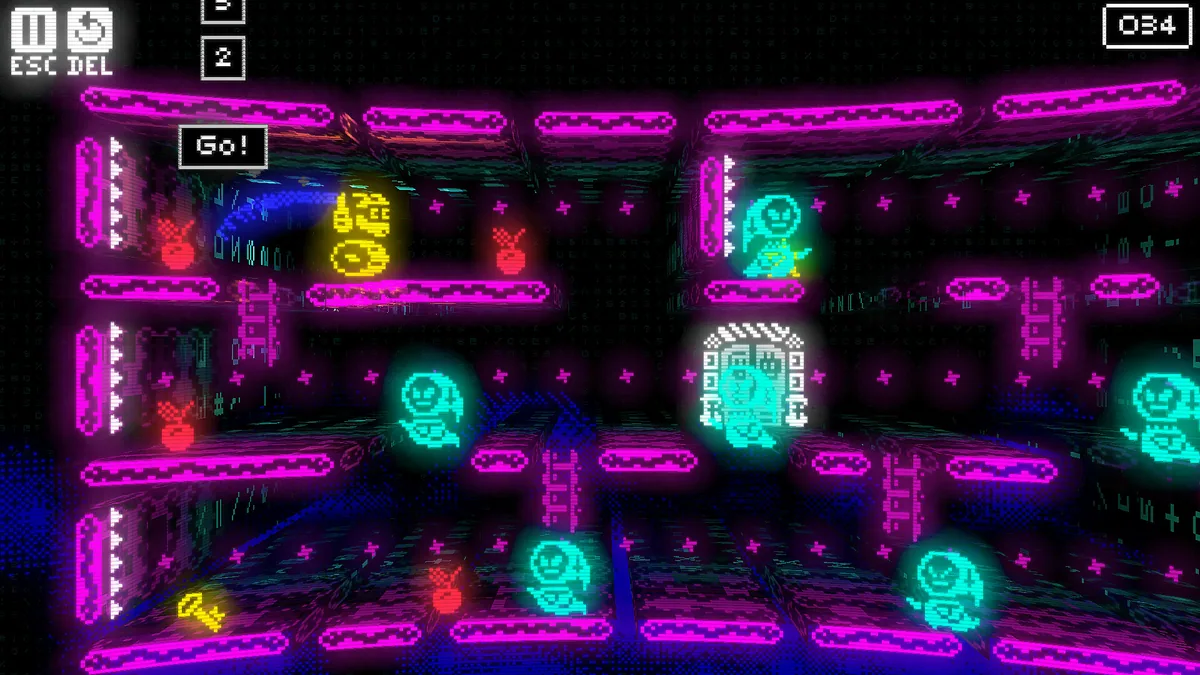
Rusty Robot Wants to Cry remixes ideas from several arcade classics inside a platformer. One area may reward a familiar Snake-like route while another changes the rules toward digging or territory control. Adapting quickly is the main challenge.
A habit learned in one section can become dangerous in the next. The robot's route should change with the active rule set, not just the visual layout. Keeping a record of transitions helps identify where a run needs a different strategy.
Official game page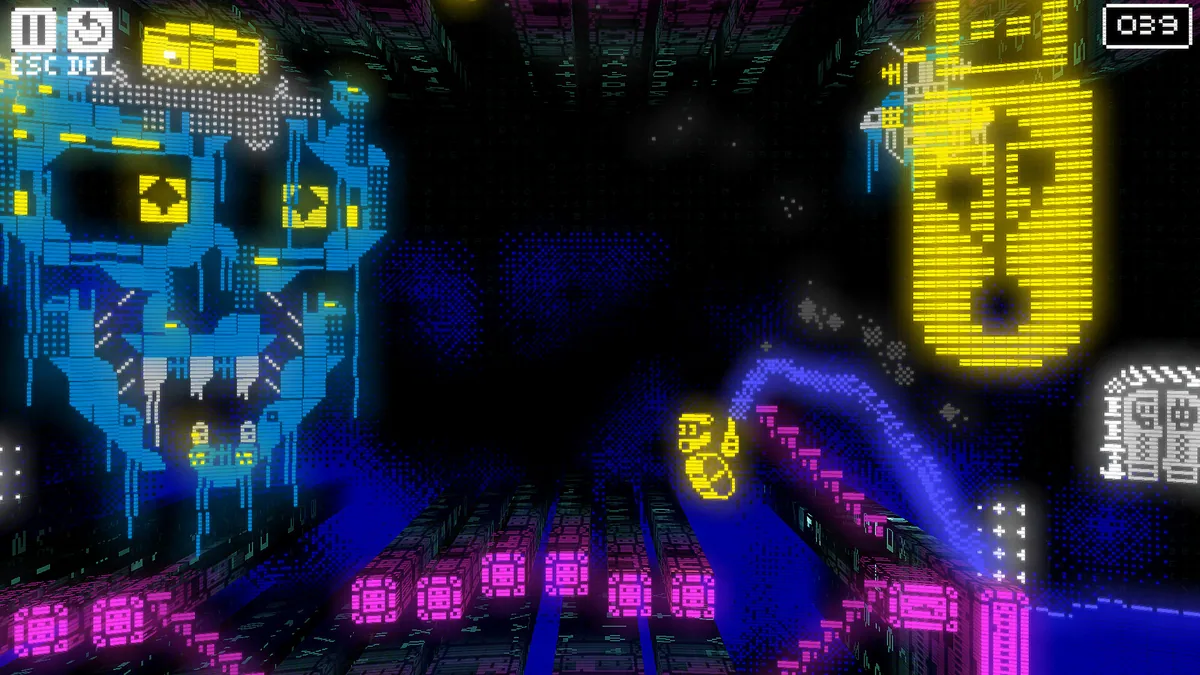
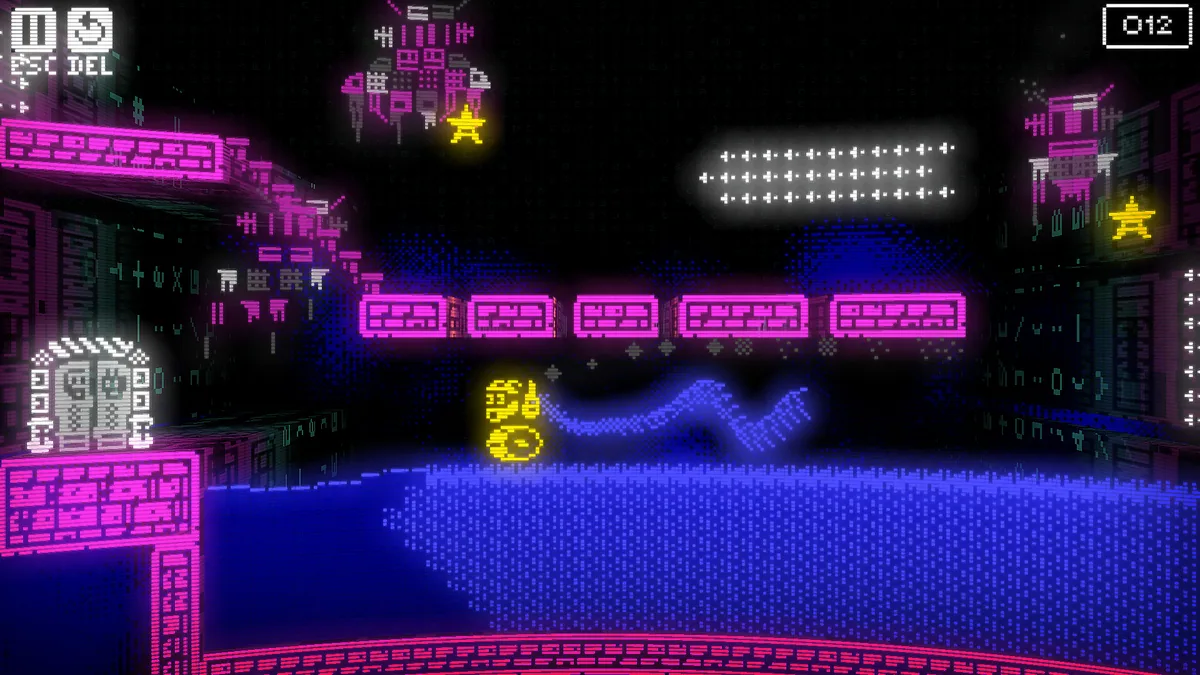
Using the Rusty Robot Wants to Cry trainer
Open the Eagle menu with Insert to review the current arcade rule, stage goal and robot route. The mode log records how controls and hazards changed between sections. Use the attempt history to focus practice on the transitions that ended previous runs.