FREE CHEATS FOR
Shadow at Noon
Released November 17, 2026
Updated
 EAGLE CHEATS
How to use Eagle in Shadow at Noon
With Shadow at Noon running, press Insert to open the Eagle menu. The quick keys give direct access to Case Timeline and Sound Clues. Use the menu for Statement Log, Contradiction Board and Chapter Notes and the remaining listed features; close it with Insert to return to the app.
- F2 Case Timeline
Press F2 to turn Case Timeline on or off without opening the menu. - F3 Sound Clues
Press F3 to turn Sound Clues on or off without opening the menu. - Insert Statement Log
Press Insert, find Statement Log in the feature list, and switch it on or off. - Insert Contradiction Board
Press Insert, find Contradiction Board in the feature list, and switch it on or off. - Insert Chapter Notes
Press Insert, find Chapter Notes in the feature list, and switch it on or off.
EXPLORE THE MENUFeatures
8 features
The Eagle trainer for Shadow at Noon brings case timeline, sound clues, statement log together for the Windows PC release. Press Insert during play to open the menu, choose a control and return to the current session. Additional controls cover contradiction board, chapter notes, and hypothesis list during play.
- Case Timeline
- Sound Clues
- Statement Log
- Contradiction Board
- Chapter Notes
- Hypothesis List
- Character Index
- Evidence Review
About the game
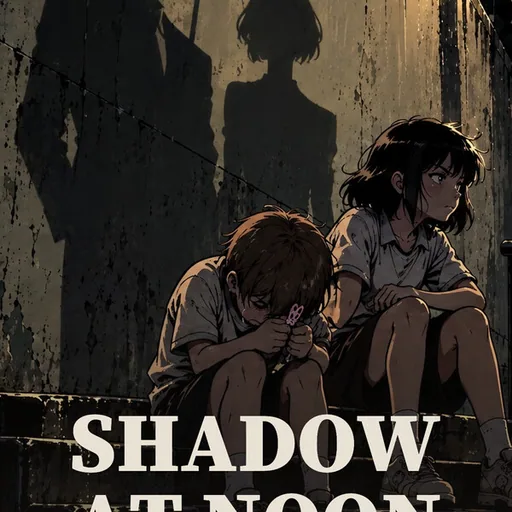
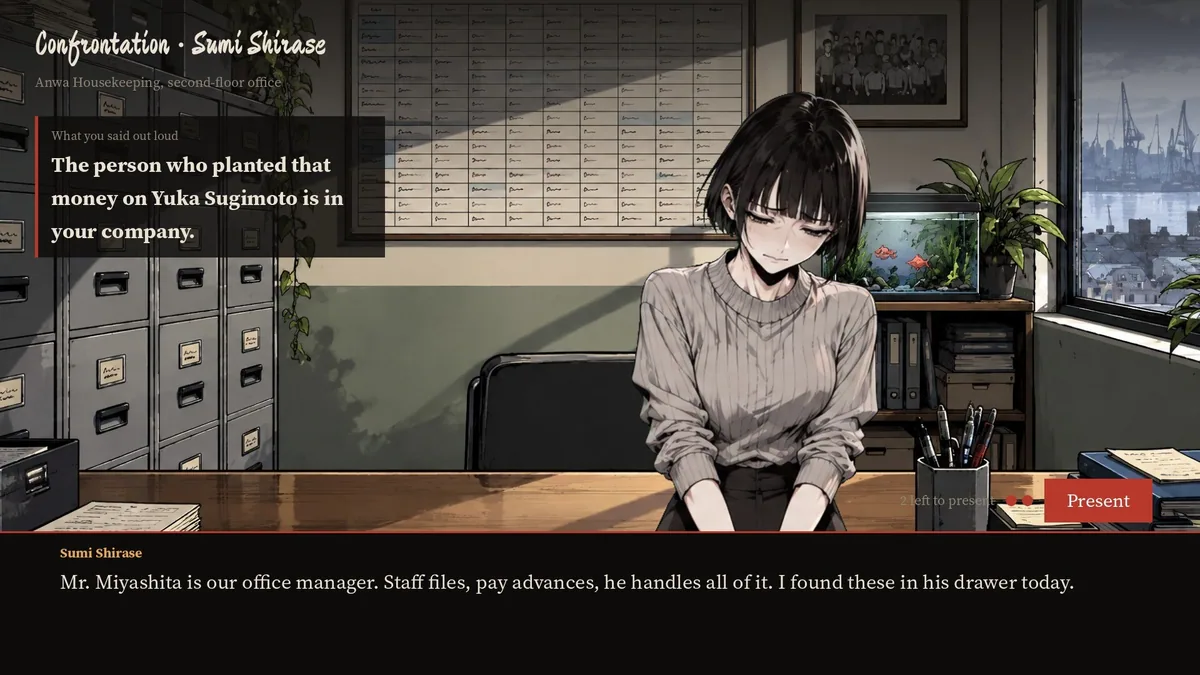
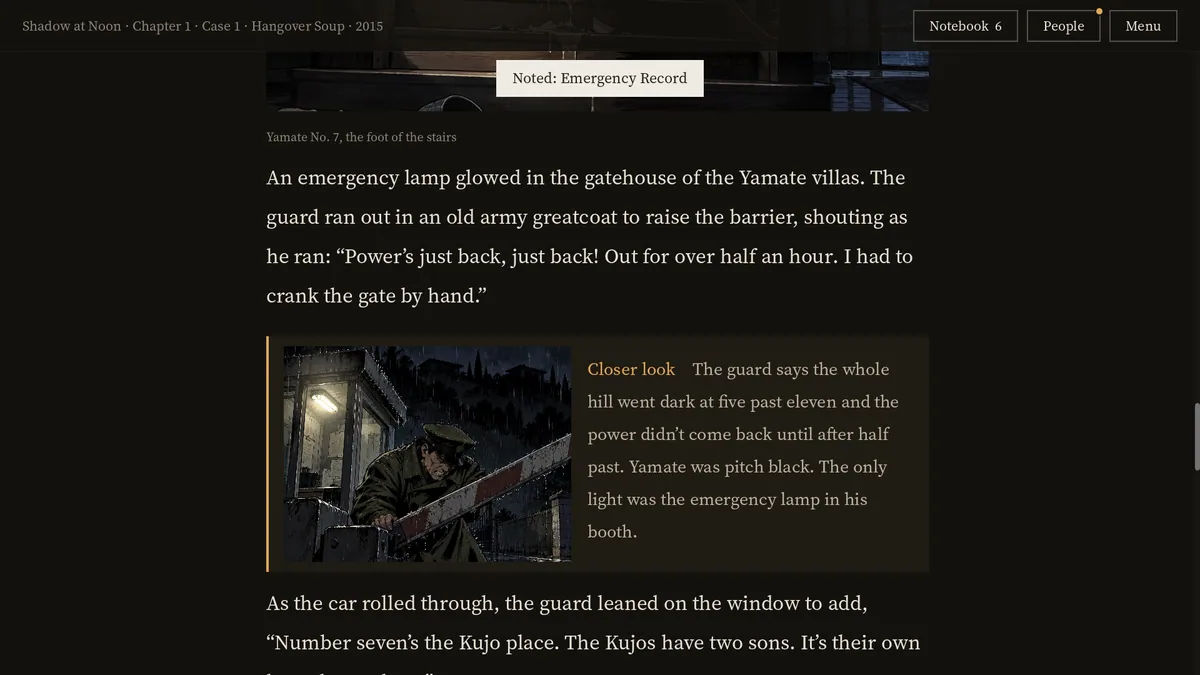
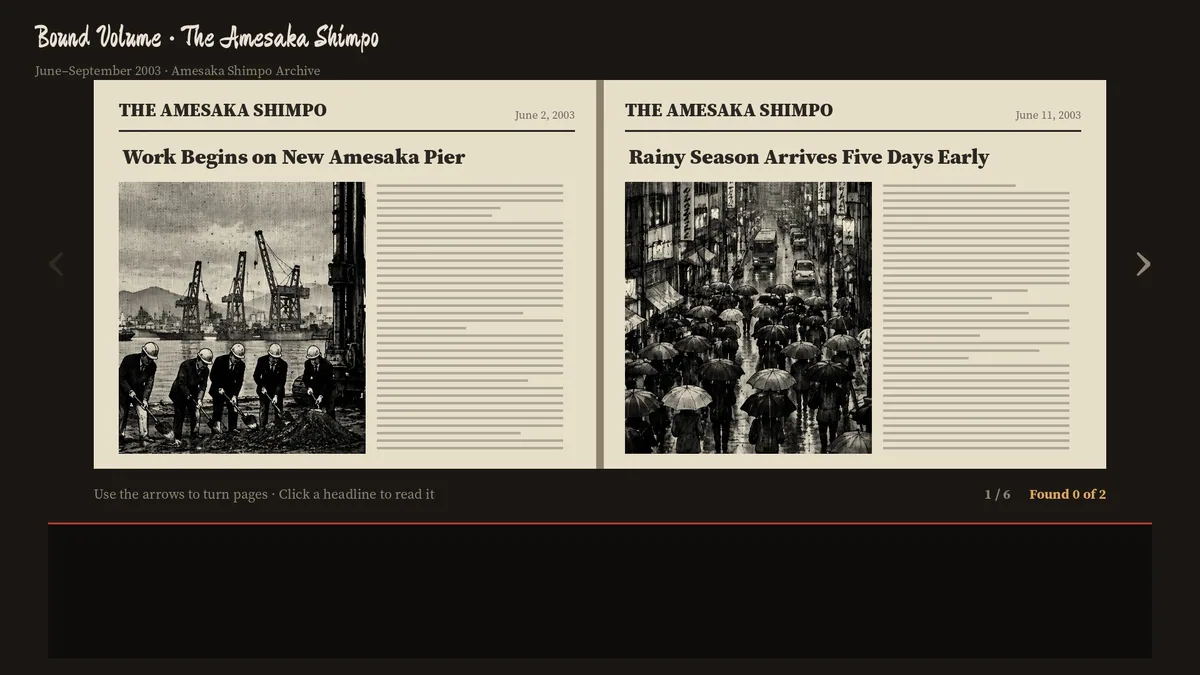
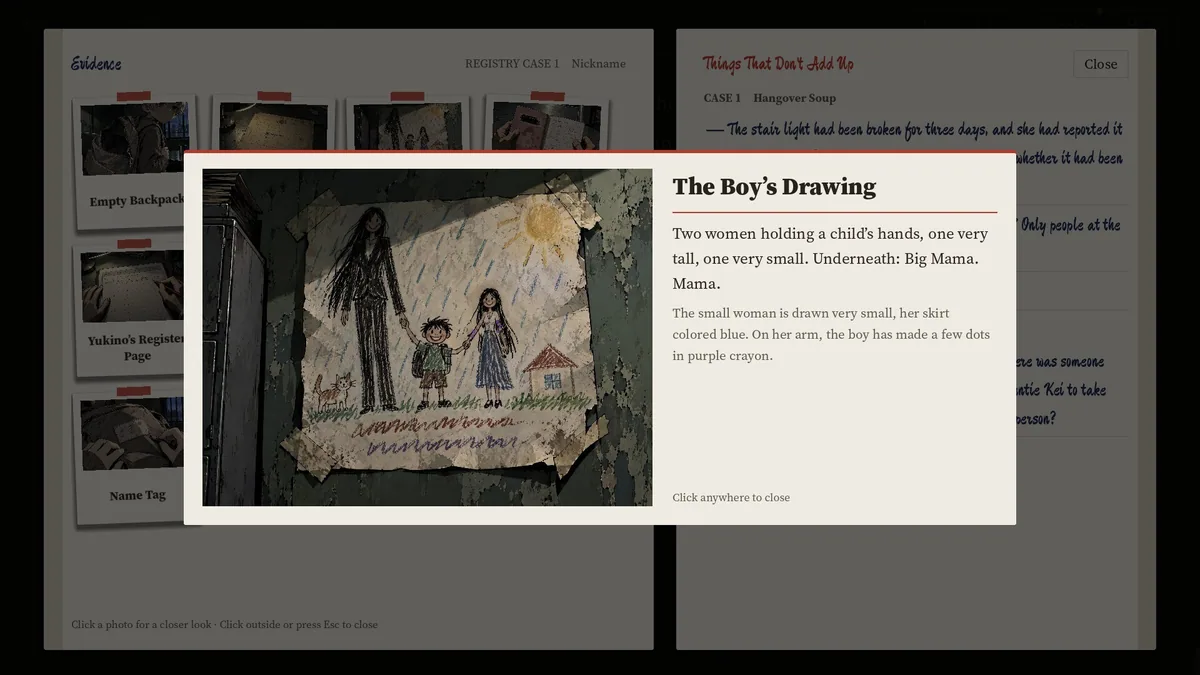
Shadow at Noon is an interactive sound novel framed as a strict mystery. Clues are carried in text and audio, and the player must notice what a scene actually establishes. The pleasure lies in testing an explanation against pages already read.
A memorable line can suggest one answer while a quieter detail undermines it. Returning to the order of testimony and sounds helps separate evidence from assumption. Because the story depends on deduction, a clear record of contradictions is more useful than a blunt answer reveal.
Official game page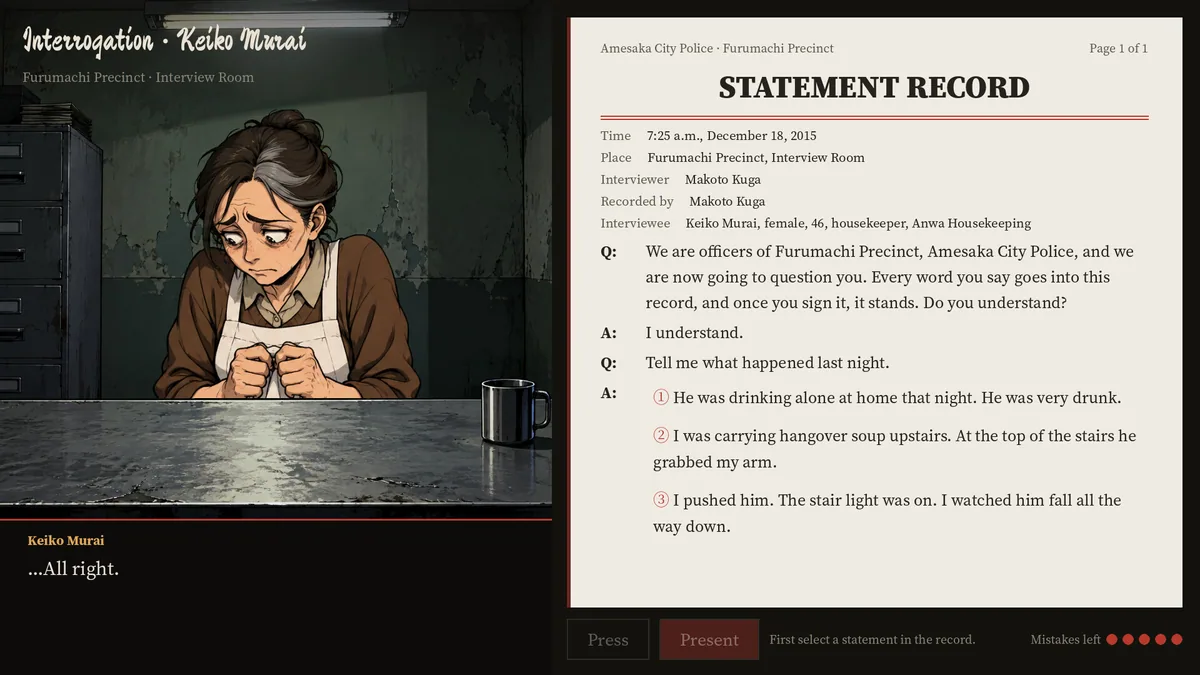
Using the Shadow at Noon trainer
Use Insert to open the Eagle casebook after a scene. Review the chapter timeline, recorded sounds and statements that appear to disagree. The hypothesis board keeps your own theories visible while leaving the final inference to the reader.